
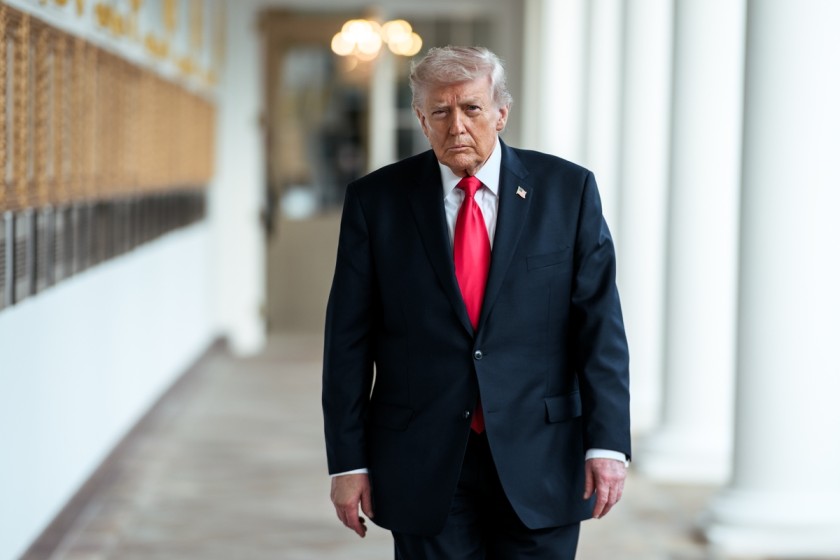
Talks between the United States and Iran over a long-term agreement on regional security and stability encountered early challenges when Iranian delegates briefly exited discussions in Switzerland. This was triggered by remarks from US President Donald Trump, which Iranian officials found inflammatory. The negotiations, facilitated by mediators from Qatar and Pakistan, are part of a broader effort to build upon a recent memorandum aimed at de-escalating tensions in the Middle East, securing maritime routes, and tackling broader issues between the two nations.
Contention arose after Trump publicly threatened Iran concerning its activities in the Strait of Hormuz and its support for regional allies, prompting Iranian representatives to express their disapproval. They deemed such comments unacceptable amidst ongoing diplomatic talks. Despite the initial friction, discussions continued behind closed doors, with mediators playing a critical role in keeping both parties engaged. Iranian Foreign Minister Abbas Araghchi later acknowledged the value of these mediation efforts, while officials from Qatar and Pakistan announced further technical discussions scheduled for the week.
The talks are also focusing on ensuring stability in the strategic Strait of Hormuz, adhering to ceasefire agreements in Lebanon, and resolving economic issues, such as sanctions and frozen Iranian assets. Iran has emphasized that any sustainable agreement must include assurances regarding regional security and relief from sanctions. These elements are crucial for Iran as it navigates its future relationship with the United States and the broader international community.
In a show of diplomacy, US Vice President JD Vance adopted a more conciliatory approach, expressing Washington’s desire to improve relations with Tehran provided progress can be made on regional stability and nuclear issues. Both nations have signaled their intention to persist with the dialogue despite ongoing differences, highlighting a shared interest in finding a path forward amid complex geopolitical challenges.