
South Korea’s “sharp reversal” from a hawkish stance to a policy of engagement has run into immediate resistance from the North. On Tuesday, Pyongyang condemned a newly finalized submarine deal between Seoul and Washington, warning it would cause a “nuclear domino” effect. The commentary was released just one day after President Lee Jae Myung proposed military talks to prevent border clashes, the first such offer in seven years.
The deal at the heart of the conflict was announced last week. It grants South Korea expanded authority over uranium enrichment and spent-fuel reprocessing, essential for developing nuclear-powered submarines. While President Lee views this as a sovereign right, North Korea’s state media labeled it a “dangerous attempt at confrontation” that is “bound to cause” a hot arms race.
The clash of narratives is striking. President Lee has offered broader discussions with the North without preconditions, seeking to turn the page on the confrontation of the past. However, the North’s reaction suggests that they view the submarine program as a continuation of hostile policy by other means. The “nuclear domino” warning implies that the South’s actions are creating a dangerous new reality that dialogue cannot fix.
By focusing on the submarine deal, North Korea is signaling that it prioritizes strategic security over tactical engagement. The commentary suggests that the North is unwilling to discuss border clashes while the South is acquiring strategic assets that could threaten its survival. This position undermines the premise of President Lee’s engagement strategy.
North Korea has not yet responded to the offer for military talks. The silence is a stark reminder of the deep mistrust that divides the peninsula. As the South moves forward with its nuclear submarine plans, the prospects for a diplomatic breakthrough seem increasingly remote.
Sharp Reversal: Seoul’s Peace Push Meets “Nuclear” Resistance
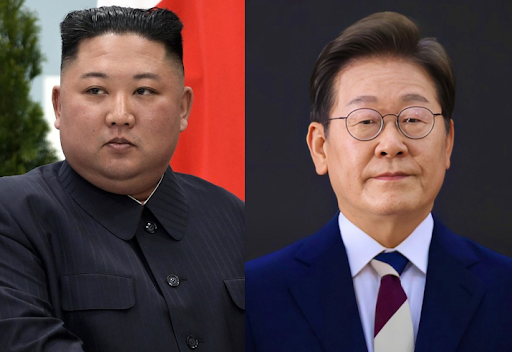
Picture Credit: www.commons.wikimedia.org
45
previous post