
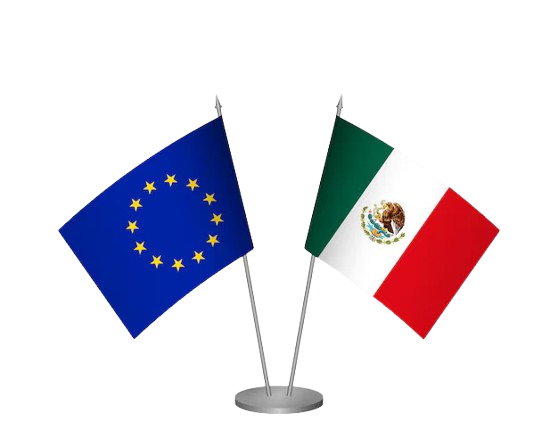
Mexico and the European Union have finalized an updated trade agreement designed to reduce tariffs and enhance economic collaboration. This move is part of a strategic effort by both entities to decrease their reliance on the United States, especially in light of President Donald Trump’s tariff policies.
The refreshed agreement builds upon a trade pact that has been operational since 2000. It aims to dismantle several remaining trade and investment barriers, ultimately improving market access for businesses and fortifying supply chains between Mexico and Europe. A significant element of this deal is its focus on the automotive sector, particularly auto parts, which have recently come under pressure from U.S. tariff measures.
The agreement also introduces lower tariffs and expanded duty-free access for a variety of goods, including pasta, chocolate, potatoes, canned peaches, eggs, and certain poultry products. Additionally, Mexico has agreed to acknowledge protected European regional food products such as Parma ham and Roquefort cheese, a move likely to boost European agricultural exports.
Mexican President Claudia Sheinbaum highlighted the importance of diversifying trade and investment opportunities, stating the need to “open other horizons.” European leaders echoed this sentiment, viewing the agreement as a chance for both economies to enhance their competitiveness on the global stage.
Currently, the European Union stands as Mexico’s third-largest trading partner, following the United States and China. Officials from both regions are optimistic that the updated agreement will not only strengthen economic ties but also attract increased investment between Europe and North America.