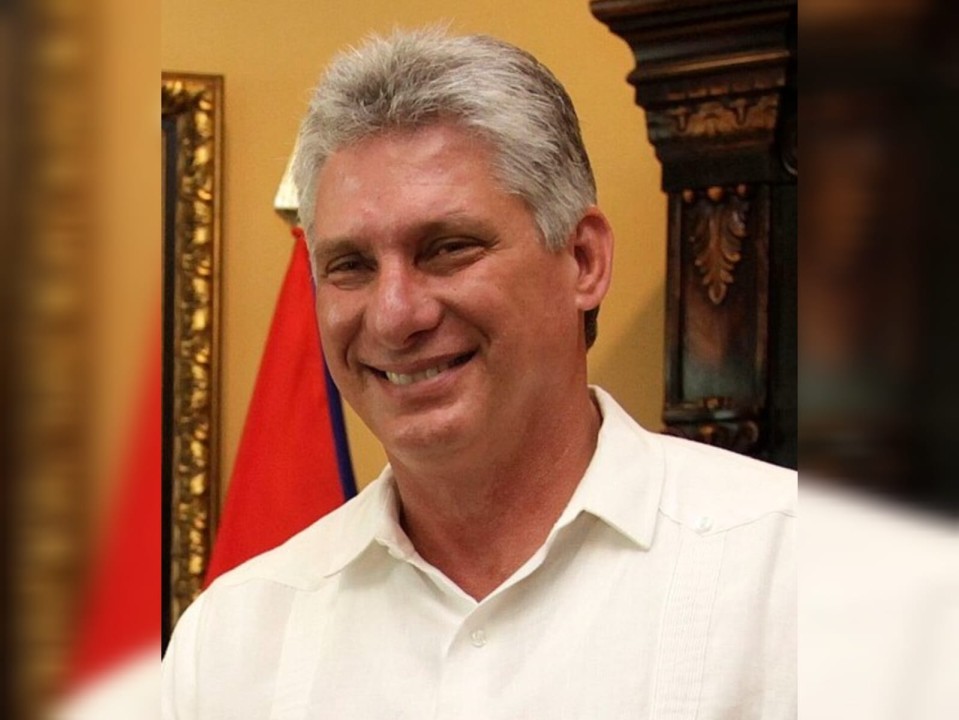
The United States has unveiled a series of new economic sanctions aimed squarely at the upper echelons of Cuban leadership. These measures directly target President Miguel Díaz-Canel, members of his family, and individuals associated with the Castro family. This move is part of an intensified campaign by the US to apply pressure on Cuba’s government.
In addition to targeting prominent figures, the sanctions impose restrictions on entities linked to Cuba’s military and state-affiliated organizations, including the Ministry of the Revolutionary Armed Forces. The sanctions also extend to individuals connected to former President Raúl Castro, who retains significant influence in Cuba’s political landscape despite not holding an official position.
US officials have stated that the objective of these sanctions is to increase both economic and diplomatic pressure on Havana. Secretary of State Marco Rubio has warned that any individuals or organizations providing support to the sanctioned entities, including foreign banks and international companies, could face penalties as well.
This latest announcement comes against the backdrop of existing US restrictions on Cuba, such as the longstanding economic embargo. Relations between the two nations have seen further strain, with the US accusing Cuba of political repression and interfering in regional affairs. Meanwhile, Cuba attributes its economic challenges to these US-imposed sanctions.
The sanctions form part of a broader US strategy led by President Donald Trump, who has escalated economic and political pressure not only on Cuba but also on other countries in the region. This approach is indicative of the administration’s firm stance on Cuba, reflecting a hardening of US policy toward the island nation.